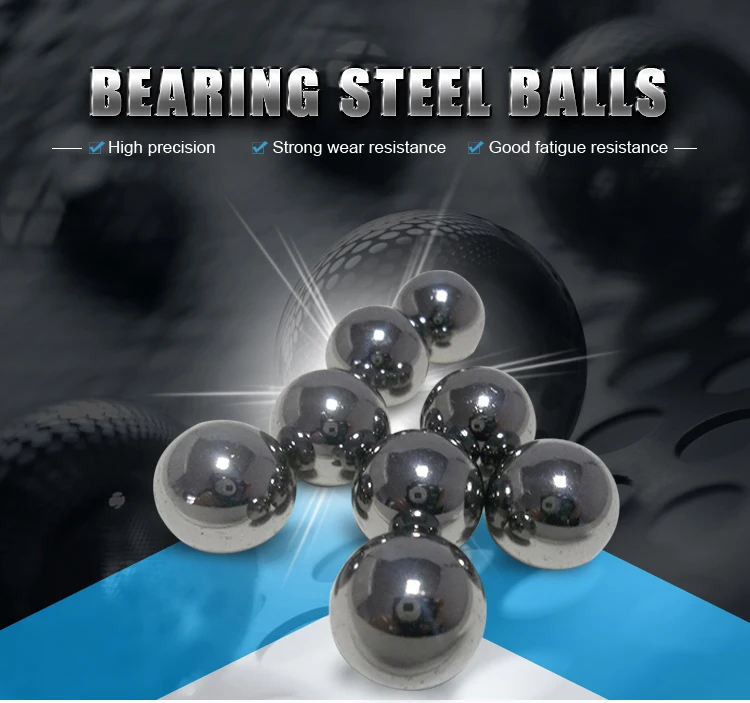
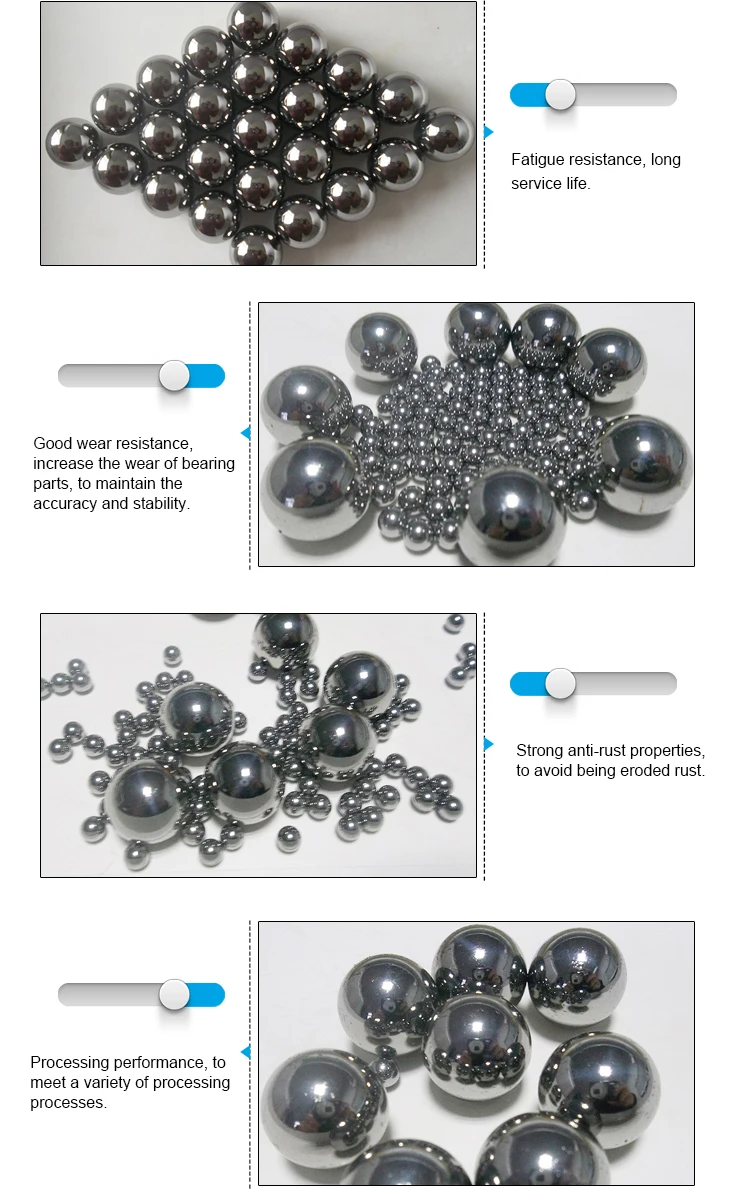
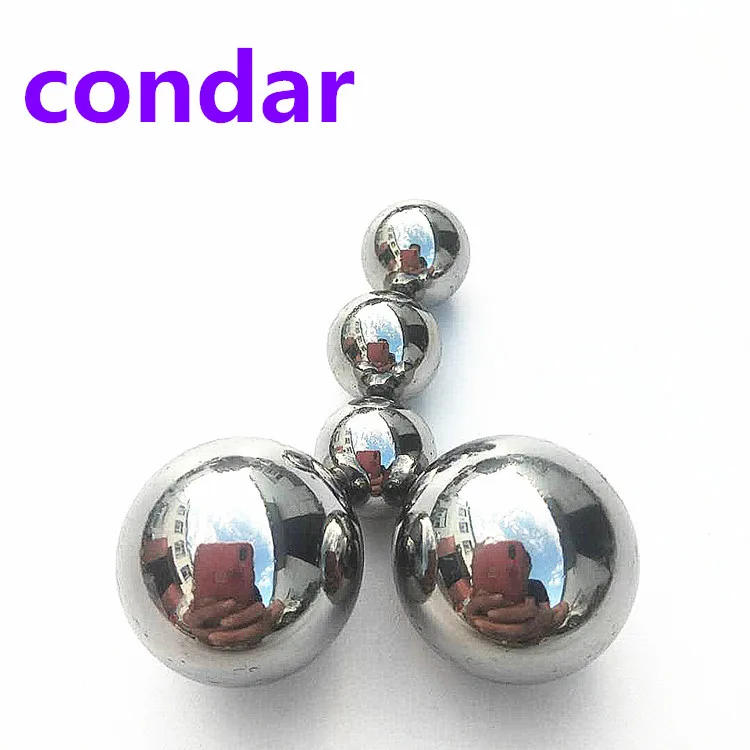
9.0mm-15.875mm G40 chrome steel bearing balls in AISI 52100/GCr15/SUJ2/100Cr6 for stable hardness, dimensional control, and consistent use in precision ball bearing systems.
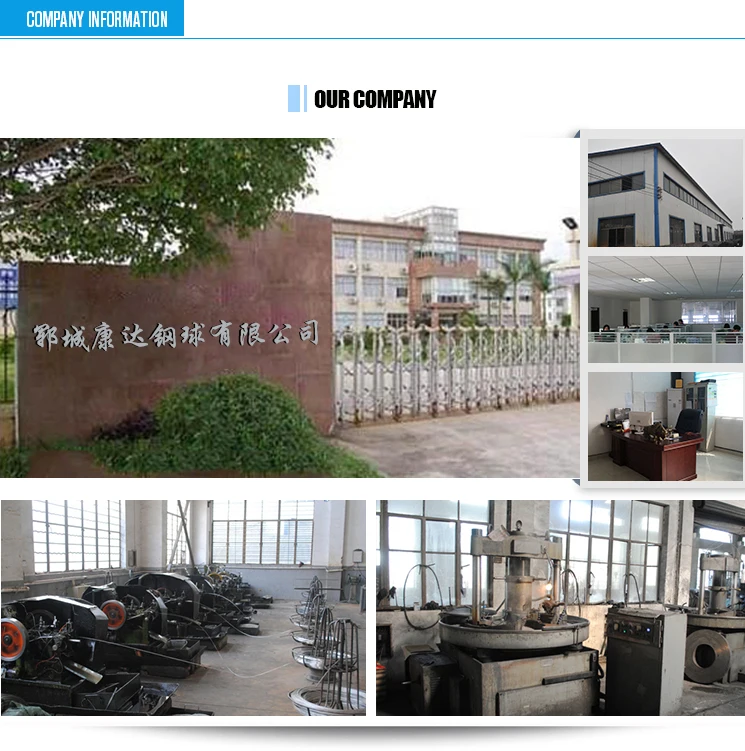
1. Established in 1998. Has 20 years of experience in production and marketing.
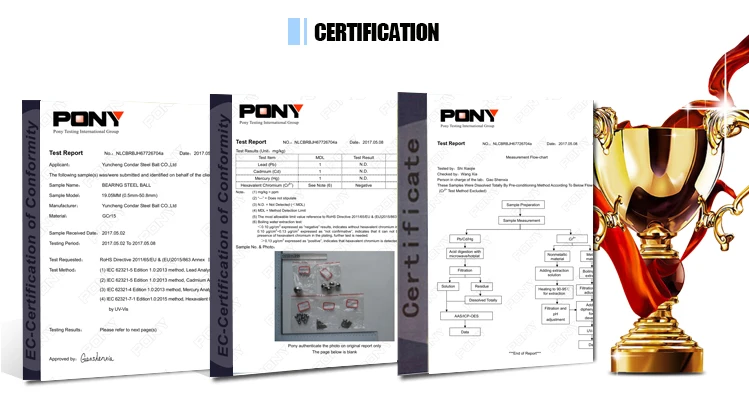
2. Possesses SGS/ROHS certification and an excellent management team.
3. Advanced production and testing equipment.
4. Fixed assets of over 10 million yuan.
5. Technical personnel with more than 10 years of production experience.
6. Our warehouse is located in a national AAAAA-level logistics park, which offers large inventory and fast delivery.
Based on 7.40% of domestic market sales.
8. High reputation, with a large number of customers from all over the world.
We sincerely look forward to establishing partnerships with any client at any time.
Product Description
AISI52100/GCr15/JIS SUJ2 DIN 100Cr6 bearing chrome steel balls
Gcr15, AISI52100 chrome steel ball :
Application areas:
It is commonly used in bicycles, bearings, motorcycles, automobiles, slide rails, ISBs, luggage, electronics industry, etc.
Function:
high speed
low price
High hardness, HRC: 60-66
Chemical and physical composition of GCr15, AISI52100 chromium steel balls
C
0.95-1.10%
Si
0.15-0.35%
Mn
Maximum 0.50%
P
Maximum 0.025%
S
Maximum 0.025%
Cr
1.30-1.60%
Photo shows
Packaging and shipping
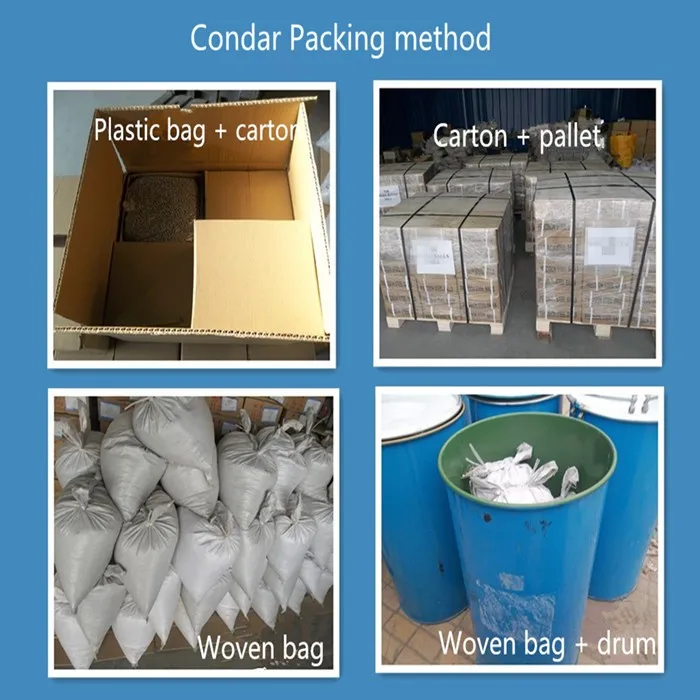
Packaging details: Carton packaging, woven bags, cartons + pallets, rollers, or packaging according to customer requirements.
Delivery details: 3-5 days after order, depending on order quantity.
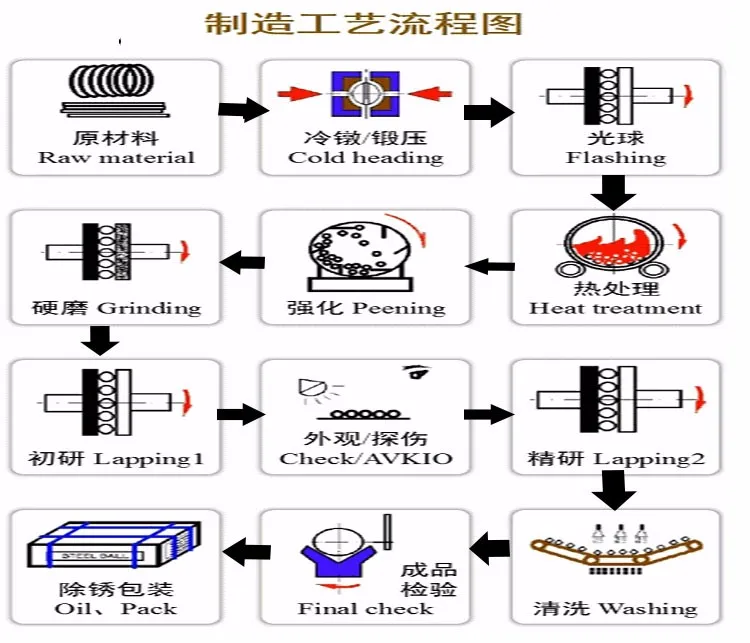
Production process
Steel ball testing
Steel ball hardness test
The hardness of steel balls is generally tested using a Rockwell hardness tester, and is usually expressed as HRC+ value.
1. The hardness of bearing steel balls is generally HRC60-66;
2. The hardness of stainless steel balls is generally around HRC26;
3. The hardness of carbon steel balls is generally HRC55-65;
4. The hardness of the soft carbon steel ball is approximately HRC30;
Steel ball roundness tester
G5 and G10 high-precision steel balls are mainly used to measure ellipticity, that is, the spherical error of the ball, which is mainly detected by a roundness meter. Through its measurement, a computer can draw a very precise trajectory, thereby determining whether the ellipticity is correct.
Digital micrometer measurement
The most important thing for steel balls is to measure the tolerance using a micrometer or a spiral micrometer. Large steel balls are measured using vernier calipers.
Custormer visited
Well-Suited for OEM Bearings, Maintenance Supply, and Industrial Distribution In real purchasing environments, these steel bearings balls are well-suited for bearing manufacturers, repair workshops, machinery plants, and cross-border distributors that need material standard alignment and predictable batch performance. They can be specified for radial bearings, rolling assemblies, mechanical transmission systems, and general industrial equipment where stable rotation and wear control are important to uptime and maintenance planning. For B2B buyers managing supply continuity, these balls support clearer sourcing decisions by combining globally recognized steel designations, practical size coverage, and performance characteristics that fit routine production, replacement, and inventory programs.
Key Advantages
Precision Material and Size Control These bearing balls are produced from AISI 52100 / GCr15 / SUJ2 / 100Cr6 chrome steel and offered in sizes from 9.0mm to 15.875mm with G40 grade accuracy, which gives buyers a practical balance between dimensional consistency and production cost. For industrial assemblies, this matters because stable roundness and controlled diameter help support smooth rotation, predictable load transfer, and dependable fit within matching raceways. For sourcing teams comparing bearing balls manufacturers, this level of material and size specification supports easier part matching and more reliable batch-to-batch replacement in standard bearing systems.
Stable Performance for Industrial Operation As a precision ball bearing component, chrome steel balls are valued for hardness, wear resistance, and operational stability under repeated motion, making them well-suited for equipment that must run continuously with controlled maintenance intervals. This creates a real advantage for factories and repair operations because the balls help reduce irregular contact, support stable bearing behavior, and simplify maintenance planning when consistent specifications are required. Compared with searches for stainless steel bearing balls or general steel bearings balls, this chrome steel option is especially practical where load capacity and long-term rolling performance are the main priorities.
Use Scenarios
Industrial Bearing Assembly and Replacement In machinery workshops, bearing production lines, and MRO storage environments, buyers often need replacement balls that match existing bearing structures without introducing fit variation or unstable running behavior. These bearing balls serve as the core rolling element in assembled bearings, where controlled size and chrome steel strength help maintain proper motion and contact performance. They fit this scenario because the G40 tolerance level and common material standards make them practical for scheduled maintenance, batch purchasing, and compatibility-focused sourcing by OEMs and repair teams.
Mechanical Equipment Requiring Stable Rolling Contact In pumps, motors, gear-driven equipment, and other industrial transmission systems, operators need rolling elements that can handle repeated rotation, support steady performance, and reduce the risk of premature wear from inconsistent geometry. These balls function as a precision ball bearing element that supports rotational stability inside matched bearing assemblies, helping equipment maintain predictable operation under regular service conditions. This makes them well-suited for applications where procurement teams may compare stainless steel bearing balls and other steel bearings balls options but choose chrome steel for its practical strength, wear resistance, and suitability for standard industrial duty.
FAQ
Q1. What material grade are these balls supplied in? These balls are produced in AISI 52100, GCr15, SUJ2, and 100Cr6 equivalents, all widely specified for hardened bearing balls. Our listed sizes range from 9.0mm to 15.875mm with G40 precision, supporting controlled dimensional consistency for bearing applications.
Q2. Are these suitable for precision bearing assemblies? Yes, they are intended for applications requiring a precision ball bearing component. The G40 grade supports users who need tighter spherical and dimensional control than general-purpose steel media, and we can help confirm fit against your drawing or material callout.
Q3. Do you supply stainless steel options for the same size range? No, this product is specified as chrome steel rather than stainless steel bearing balls. Our current listing covers bearing chrome steel balls in the stated diameters, so buyers needing corrosion-focused materials should compare that requirement separately with our team.
Q4. Can these steel balls match common international bearing material standards? The specification already references AISI 52100, GCr15, SUJ2, and 100Cr6, which are commonly cross-referenced by engineers and procurement teams. Our documentation uses these standard designations to simplify sourcing alignment for steel bearings balls in existing BOMs.
Q5. Do you work with bearing balls manufacturers requirements such as drawing-based sourcing? Process-led sourcing is common for industrial orders. We can review your requested diameter within the 9.0mm-15.875mm range, grade requirement, and material designation to support practical communication between buyers, OEM teams, and bearing balls manufacturers.